Property Investment in Turkey: Strategy, Market Direction and Investor Planning
Property investment in Turkey attracts buyers for different reasons. Some want rental income. Others want long-term capital growth, a second base, land for construction, or a structure that combines lifestyle flexibility with investment logic. The right route depends less on slogans and more on timing, city selection, product type, and how clearly the investment objective is defined from the beginning.
Turkey offers more than one investment market. Antalya, Istanbul, Bodrum, Yalova, and other areas behave differently in terms of liquidity, buyer profile, rental demand, supply depth, and resale timing. That is why investors should avoid treating the country as one flat market. Stronger decisions come from matching the right property type to the right city, then aligning that choice with hold period, yield expectations, and exit strategy.
This hub brings together the main investment directions on the site. It is designed for readers who want to understand how property investment in Turkey works before moving deeper into a specific article, city, or service route.
Why Property Investment in Turkey Continues to Attract Buyers
Turkey remains interesting to investors because it offers more than one entry point. Some buyers pursue apartments in established urban districts. Others look for buy-to-let opportunities in tourism-driven areas. Some focus on land or development routes. Others compare personal use and investor use before choosing one direction. This variety matters because it allows different budgets and strategies to operate within the same national market.
The appeal is not only price. It is also flexibility. An investor can target regular tenant demand, seasonal demand, future resale, construction-led upside, or portfolio diversification. That does not mean every route is equally strong. It means the market gives multiple structures, and the job is to select the one that fits the investor rather than chasing whichever angle sounds best in isolation.
Anyone who wants the broader reasoning first should start with why invest in property in Turkey, then move deeper into product-specific or strategy-specific pages.
Investment Strategy Matters More Than the Label
Many weak decisions begin with vague language. “Good investment,” “high return,” or “hot area” are not strategies. A real strategy begins with questions: Is the priority income, appreciation, diversification, business activity, or future resale? Is the investor entering for three years, seven years, or longer? Is the property meant to be active immediately, or improved over time? Is the investment personal and direct, or part of a company structure?
Once those questions are answered, the market becomes easier to read. A tourism-led buy-to-let asset is not assessed the same way as an apartment chosen for long-term urban demand. A construction route is not assessed the same way as a finished resale unit. A land-backed villa strategy is not assessed the same way as an inner-city flat in a large metropolitan district.
That is why this hub should be read as a planning page, not a one-size-fits-all conclusion. Investors do better when the objective is defined before the product is shortlisted.
How to Choose the Right Investment Route
Most investment decisions in Turkey fall into one of a few practical routes. The first is the standard income or appreciation route: buying a completed property in an area with proven demand and holding it with a clear rental or resale plan. The second is the buy-to-let route, where rental performance and operational readiness matter from the beginning. The third is the construction or development route, where land, build process, and planning logic become central. The fourth is the company-led or business route, where ownership sits within a broader investment structure.
Each route carries different strengths and risks. Completed properties can offer clearer comparables and easier entry. Buy-to-let can work well when demand is real and management assumptions are disciplined. Construction can create upside, but only when land, timeline, execution, and exit are assessed carefully. Company setup can be useful in the right context, but it should follow a real commercial or structural reason, not simply be adopted because it sounds sophisticated.
If your interest is income-led, the next page should be Buy-to-Let Property in Turkey. If your interest is business structure, start with How to open a company in Turkey.
Rental Yield, Capital Growth, and Exit Logic
Investors often ask which matters more: yield or appreciation. In practice, the better question is how the two interact over time. A property with moderate yield but stronger long-term demand may outperform a property with attractive projected income but weaker resale depth. Likewise, a low-yield property in an overexposed location may not compensate through appreciation if supply expands faster than demand.
Exit logic matters from day one. Who is the future buyer? Another investor, a local family, an international lifestyle buyer, or a developer? The answer changes how the asset should be chosen. Liquidity is rarely discussed enough at the beginning, yet it becomes one of the most important questions later. Some properties are easier to enter than to exit.
This is where disciplined market reading matters more than headline promises. For a broader investor-facing view, see Property Investment in Turkey, which looks more directly at product fit and investor positioning.
City Selection and Market Context
Turkey is not one investment market. Istanbul behaves differently from Antalya. Antalya behaves differently from Bodrum. Within each city, district-level differences can be just as important as the city itself. Urban demand, tourism exposure, transport access, local buyer depth, and development pressure all influence how an asset performs.
Istanbul attracts investors looking for scale, urban density, and multiple buyer types. Antalya often attracts a mix of lifestyle and investment interest, especially where tourism and residential demand overlap. Bodrum behaves more selectively and often sits closer to premium, seasonal, or limited-supply logic. Smaller or emerging markets may offer value, but they usually require sharper patience and clearer exit assumptions.
Investors who want context around political and market perception should also review 10 Reasons to Invest in Turkey, which helps frame broader macro interest without reducing the decision to one headline argument.
Construction, Development, and Company Routes
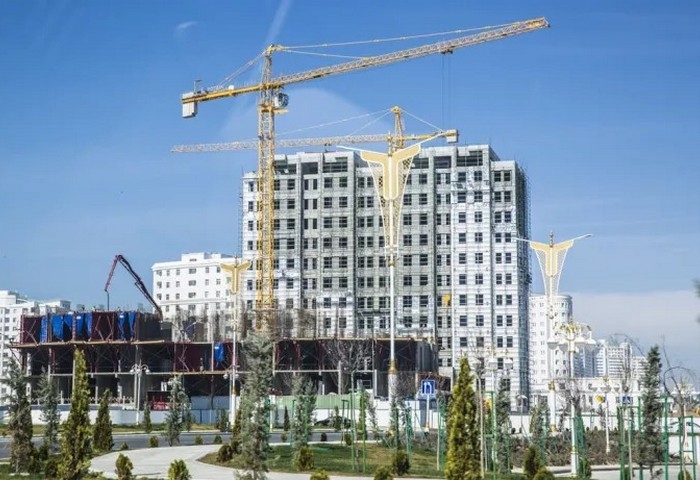
Not every investor wants a completed apartment. Some want more control over the build process, product type, or upside potential. That is where the construction route becomes relevant. This path can make sense, but it should be approached with more discipline than standard resale acquisition. Land quality, permissions, build partner reliability, timeline, cost control, and finished-product demand all matter.
That is why development-led investors should move carefully through the related pages rather than jumping straight into execution. Start with Construction Company in Turkey and Construction of Property in Turkey before treating the route as straightforward. Construction can create value, but it also increases execution risk.
Company-led routes should be approached the same way. A company structure can be useful where ownership, business activity, or project execution justify it, but it should follow purpose. It is not automatically superior to direct ownership.
Property Management and Investor Continuity
Investment logic does not stop at acquisition. Once a property is purchased, investors need continuity: maintenance, tenant handling, operational readiness, reporting, and practical local coordination. That becomes more important for remote owners or those pursuing income strategies.
Management should not be treated as a side note. A good acquisition can underperform if the operating layer is weak. That is why the investor cluster should also lead naturally into Property Management for Investors. Acquisition and management are separate stages, but they are part of the same investment logic.
How to Use This Investment Hub
This page works best as a map. Start with the route that matches your objective, then move deeper into the relevant article rather than reading every page in random order. Income-led buyers should begin with buy-to-let and management. Capital-growth buyers should focus on city and product fit. Construction-led investors should review development pages first. Company-led investors should start with the business setup route.
If you want to understand the company behind the investment guidance, read the company profile. That belongs to the About section, not the investment cluster itself, but it helps explain how buyer and investor guidance is structured across the site.
Explore Investment Opportunities in Turkey
The strongest next step is to move from general interest to a defined investment path. The pages below are the core investment routes on the site:
- Investment in Property Turkey
- 10 Reasons to Invest in Turkey
- How to open a company in Turkey
- Construction Company in Turkey
- Construction of Property in Turkey
- Buy-to-Let Property in Turkey
- Property Management for Investors
- Property Investment in Turkey
If you are comparing routes and want help identifying the right investment structure, contact Maximos Real Estate with your budget, timeline, and investment objective.